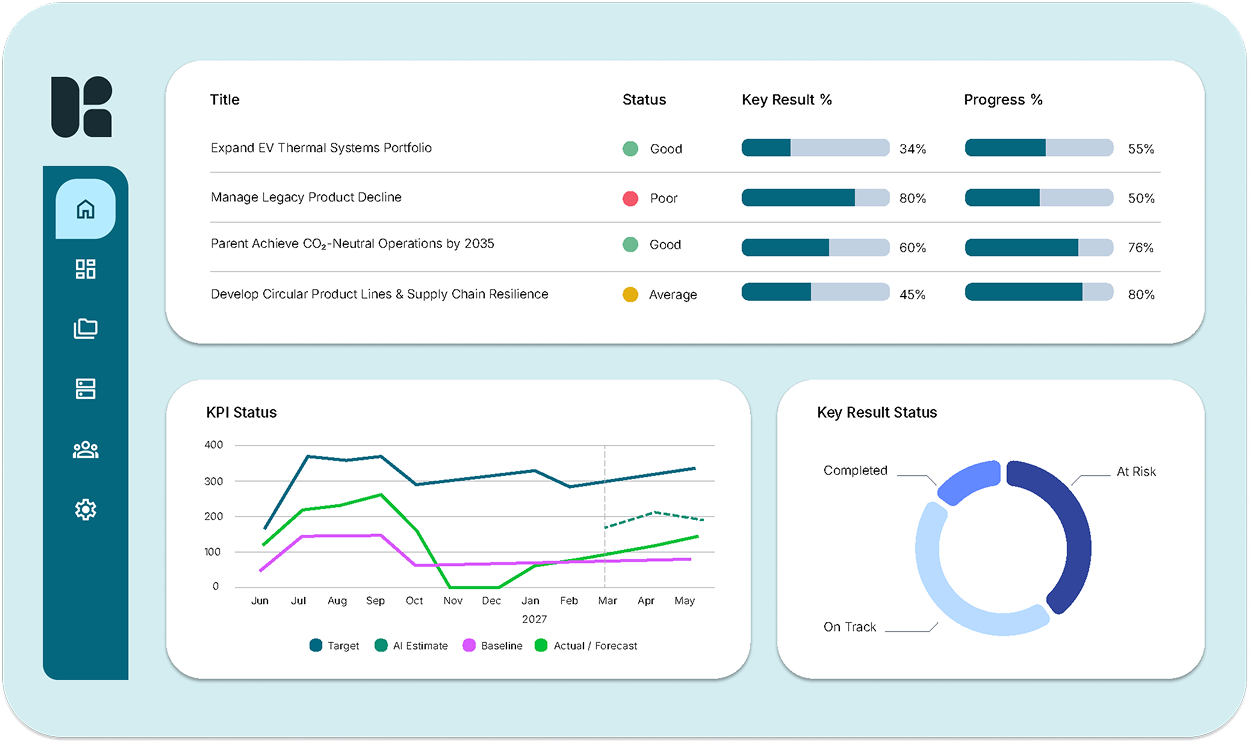
Portfolio Management vs Project Management: Key Differences

Portfolio management and project management operate at different levels of an organisation. Project management focuses on delivering a single project on time, within budget, and to scope. Portfolio management oversees a collection of projects and programmes, optimising investment decisions, balancing risk, and ensuring the overall mix aligns with strategic objectives. Portfolio managers ask 'Are we doing the right projects?'; project managers ask 'Are we doing the project right?'

What is project management?

Project management is the discipline of planning, executing, and closing a defined piece of work within agreed constraints of time, cost, and scope. The project manager’s primary accountability is to deliver the project’s outputs  (product, system, service, or change), to the required quality standard, on schedule, and within budget. 

Project management is temporary by nature. It has a defined start and end, a dedicated team, and a specific goal. Once the output is delivered, the project closes and accountability transfers to operational teams. 

What is portfolio management?

Portfolio management is the centralised governance of a collection of projects and programmes to achieve strategic objectives. Where project management asks ‘How do we deliver this project?’, portfolio management asks ‘Which projects should we be running, and how should we allocate our resources across them?’ 

Portfolio management is ongoing, not temporary. It operates as a continuous governance process of reviewing investment decisions, rebalancing resources, managing portfolio-level risk, and reporting to executive leadership on the value being delivered across all active work. 

The portfolio manager’s accountability is to strategic outcomes: ensuring the organisation’s investment in projects is generating the expected return and advancing the right priorities. 

Portfolio management vs project management: comparison table

Dimension

Project Management

Portfolio Management

Focus
Delivering a single project
Optimising a collection of projects
Question asked
'Are we doing the project right?'
'Are we doing the right projects?'
Timeframe
Temporary — defined start and end
Ongoing — continuous governance cycle
Accountability
Project outputs (scope, time, cost, quality
Strategic outcomes and investment value
Key decisions
How to deliver, resource the project team
Which projects to fund, stop, or reprioritise
Risk management
Project-level risks and issues
Portfolio-level risk balance and exposure
Reporting
Project status to project sponsor
Portfolio performance to executive leadership
Tools
Project plans, RAID logs, Gantt charts
Portfolio dashboards, scoring models, scenario tools

Portfolio vs programme vs project management

The three levels form a hierarchy of governance: 

  • Project — delivers a defined output within a defined timeframe. Temporary and specific. 
  • Programme — coordinates a group of related projects to deliver a larger outcome or transformation. Manages interdependencies and shared resources across its constituent projects. 
  • Portfolio — governs all projects and programmes across the organisation (or a division), ensuring the overall mix is strategically aligned, resourced appropriately, and delivering value. 

Portfolio management sits above both. A portfolio may contain standalone projects, programmes, and ongoing operational work. The portfolio office is responsible for the health of the whole, not the detail of any single initiative. 

When you need portfolio management

Portfolio management becomes critical when: 

  • Your organisation is running more than 10–15 concurrent projects and experiencing resource conflicts. 
  • You cannot clearly answer which projects are directly supporting strategic objectives. 
  • Project prioritisation decisions are made informally, inconsistently, or reactively. 
  • You are unable to show executives a consolidated view of project status and investment performance. 
  • Projects are being started without a clear understanding of their impact on existing work. 

FAQ

What is the difference between portfolio management and project management?

Project management governs the delivery of a single project, managing scope, time, cost, and quality. Portfolio management governs a collection of projects, making investment decisions, balancing resources, and ensuring strategic alignment across all active work. Portfolio management is ongoing; project management is temporary. 

What is the difference between a portfolio, a programme, and a project?

A project delivers a specific output within a defined timeframe. A programme coordinates multiple related projects to deliver a larger transformation. A portfolio governs all projects and programmes in an organisation or division, ensuring the overall mix is strategically aligned and resourced. Portfolio is the highest governance level; project is the lowest. 

Does a PMO do portfolio management or project management?

A PMO (Project Management Office) can operate at either level, depending on its mandate. A delivery PMO supports project managers and focuses on project-level governance and standards. A portfolio PMO (sometimes called a P3O or portfolio office) operates at portfolio level, managing investment decisions, prioritisation, and strategic reporting. Many large organisations have both. 

What qualifications are needed for portfolio management?

Common qualifications include the MoP (Management of Portfolios) from AXELOS, the PfMP (Portfolio Management Professional) from PMI, and the APM Portfolio Management qualification. Most portfolio managers also hold project or programme management credentials (PRINCE2, MSP, PMP) and have significant delivery experience before moving into portfolio roles. 

Ready to run strategy the way it deserves to be run?

Get a personalised walkthrough of Keto AI+, and a business case built around your organisation’s scope, scale, and ambitions.